
The federal change
Congress narrowed the federal definition of hemp in November 2025. A stopgap funding law signed September 2, 2026 pushed most of the change back 30 days, to December 11, 2026, and the White House has said it will not support another extension. Under the new definition, a product is no longer hemp if it has:
- More than 0.3% total THC, which now counts THCA, not only delta-9;
- Cannabinoids synthesized or manufactured outside the plant. Cannabinoids the plant cannot produce at all were not part of the delay and fell out of the definition on November 12, 2026; or
- More than 0.4 mg of total THC per container in a finished consumer product.
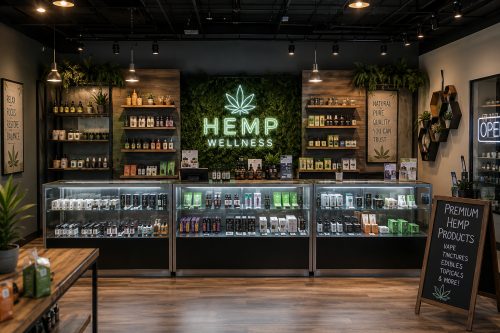
Most hemp-derived THC gummies, beverages, vapes and THCA flower sold today will fall outside the federal definition. Inventory that is legal on December 10 may not be on December 11.
Virginia's own rules
Virginia already regulates hemp more tightly than most states, and 2026 made it stricter. Under HB 30 the Cannabis Control Authority took over hemp oversight from VDACS in August 2026, along with open enforcement matters. Existing hemp product retail facility registrations stay valid until they expire, and food safety permits for hemp products continue to apply.
Since August 15, 2026, a hemp product sold in Virginia can contain no more than 2 mg of total THC per package. The old 25-to-1 CBD-to-THC exception is gone, so products that relied on it can no longer be made or sold as hemp. Labeling and testing requirements still apply.
The CCA can inspect, hold product, issue cease-and-desist orders and assess civil penalties. When the federal definition changes in December, state and federal rules stack. A product has to pass both.
Who is affected
| Business | Main exposure | First step |
|---|---|---|
| Hemp retailers | Shelf inventory over the 2 mg Virginia cap or the new federal limits | SKU-by-SKU inventory audit against COAs |
| Growers | Total-THC testing that now counts THCA | Review pre-harvest testing and remediation plans |
| Processors | Converted cannabinoids and per-container THC | Reformulation or product retirement plan |
| Dealers & distributors | Buying and moving product that is no longer hemp | Supplier certifications and contract updates |
Your plan before December 11
- Audit every SKU. Match each product to a current certificate of analysis and flag anything over the new total-THC or per-container limits.
- Decide sell-through, reformulate or retire. Set a date for each flagged product and stop reordering it now.
- Review labels. Check THC statements, serving sizes and warnings against Virginia requirements, and confirm your registrations and permits are current with the CCA.
- Update supplier contracts. Require compliant COAs and put the risk of non-compliant product on the supplier.
- Train staff. Your team should know what can and cannot be sold after the deadline, and how to answer customers.
- Keep the paper trail. Document what you pulled and when. That record matters if an inspector asks.
Moving to a CCA license
For some hemp businesses the better move is into the regulated adult-use market. Industrial hemp growers and processors registered with VDACS before January 1, 2021 have a dedicated conversion pathway under HB 30: up to 10 cultivation and 10 processing licenses for a $500,000 fee, payable over up to three years, or microbusiness eligibility. Conversion applications are expected to open by February 1, 2027. Everyone else can compete for the standard license types.
We help hemp clients run both tracks at once: stay compliant with VDACS through the transition, and prepare a CCA application for 2027. Read the 2027 Virginia cannabis license guide.
Book a hemp compliance review →
Sources
General information, not legal advice. CommonLeafVA is not a law firm.